Dumbdroid Doov R77 Pro
April 11, 2026
I ordered a Doov R77 Pro running Dumbdroid (now DumberOS) in January 2026 from the official Dumbdroid store. What was delivered is labelled as a Doov R17, but I’m led to believe that it’s the same as the R77 pro.
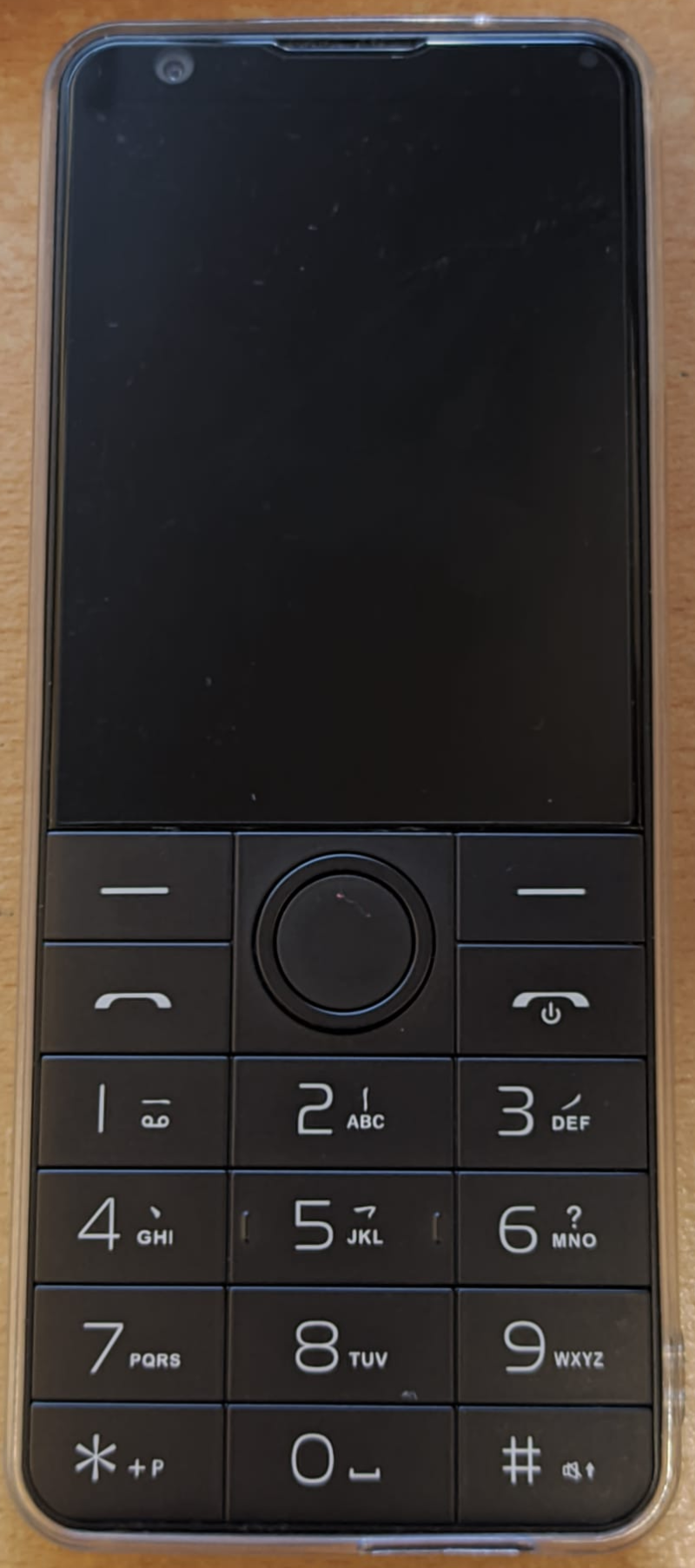
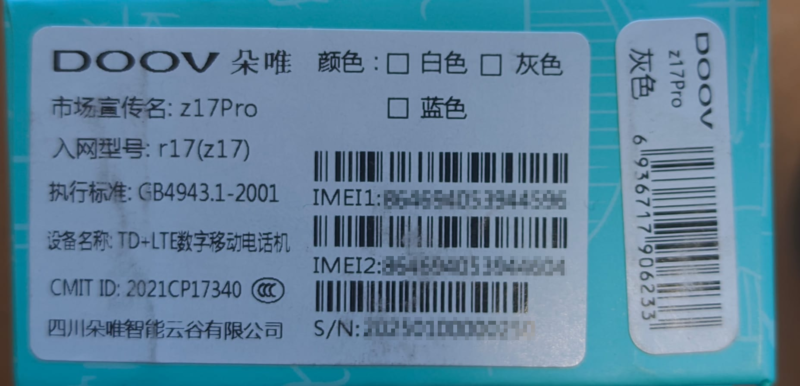
Fit and finish:
Although this device costs just over AUD 200 delivered, it definitely feels like a more premium device. The screen is purposely small, at 2.8″ & 640×480 resolution. Having said that, the resolution & viewing angle of the screen is better than you’d find on most dumbphones
I have only 5-10 apps installed, and the device performs at a respectable level. There are some jitters when switching between apps, but nothing too annoying, making it an enjoyable device to use.
The camera is a 5Mp shooter on the front, and the pictures are reasonable, but quite heavily post processed and noisy for some reason (the newer release of DumberOs has greatly improved this).
Here is a sample photo:

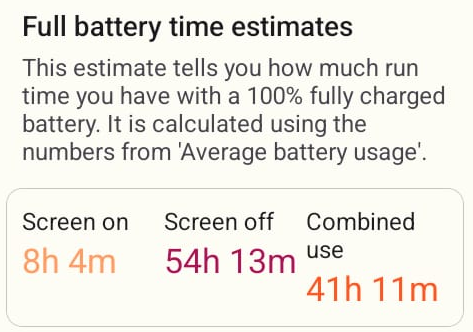
Battery life is reasonable, and I get ~ 2 days out of it. Here are the battery estimates from accubattery:
Dumbdroid (now Dumber OS):
What makes this device fantastic is the DumberOS operating system, which is Android 14, based on Lineage 21 and has Google’s security updates applied, which makes me comfortable running banking apps and other, more data sensitive apps on the device.
Please note that Dumber OS comes in two variants (and you can switch between them without losing data):
Google version – Includes the Google Play store, Google services etc
Vanilla version – with, and without gapps – this version is for those who highly value privacy and don’t want Google services. This is great, in theory, but apps that you’ve paid for and/or require Google services to run (like banking apps & transport apps) won’t run, or they’ll run with limited functionality
Useful additional features from Dumber OS:
Light-up keypad for notifications – you can assign apps to illuminate the keypad when a notification is received. This is important, as there is no notification light or Always on Display (AOD) on this device.
VoLTE – VoLTE has been implemented/fixed in Dumbdroid, which is essential
Key mapping – there is good in-build functionality to use shortcuts on the keypad, such as double clicking the power button to launch the camera.
R17 Dumber OS from an Australian perspective.
This device is compatible with networks in Australia, as it has VoLTE, Band 28 (A/B) and 4G Emergency calling. As such, it’s technically compatible with all networks in Australia.
The device has a good signal, and I haven’t experienced any issues with dropping calls in the Sydney metro area.
Using a Telstra SIM, I’ve experienced no issues at all and the device is unblocked, which is reaffirmed by the following message:
Good news – this phone has not been blocked.
Based on the number you provided, this phone (Sichuan Doov Pty Co Ltd r17(z17)) has not been identified as having compatibility issues and is not currently blocked from connecting to Telstra’s mobile network.
With a Vodafone SIM, the network sent warning messages that the device would be blocked in 30 days, but after escalation, I’ve been assured that the device is in the unblocked list and is able to be used on the Vodafone network.
In my experience, Optus blocks the device outright, and I can’t even get a signal, and I am faced with the message: SIM 1 Not Allowed.
R17 Dumbdroid from a digital minimalist perspective.
It runs a very modern version of Android (that has security updates also), so you’re able to install more apps, and for most users, it’s a very useful daily driver, without the need to carry a secondary “smartphone”
The keypad, small screen and slower usage definitely provide some friction, which reduces my usage of the device. On the other hand, due to the newer version of Android, I can install more apps than I technically need to. Banking apps, authenticator apps, transport apps, Uber, password management apps, google wallet etc, which make the phone more useful, but that might also make me want to use the device even more.
I don’t think The Doov R17 has reduced my usage any more than the similar screen-sized Jelly Star, but the keypad does provide some additional friction, which results in fewer/shorter messages.
In summary, this really is a great middle-ground device for most users. It can do enough for it to become your daily driver, with some friction to reduce usage.
A flip phone is the ultimate device if you want to significantly reduce usage, but that is due to these devices only running a handful of apps and the fact you need to open the device to check notifications, so you will find yourself checking for notifications less frequently.
